
Representatives of national academies of science from throughout the world met in New Delhi, India, from October 24-27, 1993, in a "Science Summit" on World Population. The conference grew out of two earlier meetings, one of the Royal Society of London and the United States National Academy of Sciences, and the other and international conference organized by the Royal Swedish Academy of Sciences. Statements published by two groups expressed a sense of urgent concern about the expansion of the world's population and concluded that if current predictions of population growth prove accurate and patterns of human activity of the planet remain unchanged, science and technology may not be able to prevent irreversible degradation of the natural environment and continued poverty for much of the world. The New Delhi conference, organized by a group of fifteen academies, was convened to explore in greater detail the complex and interrelated issues of population growth, resource consumption, socioeconomic development, and environmental protection. We believe it to be the first large-scale collaborative activity undertaken by the world's scientific academies. +++++++++++++++++++++++++++++++
Population – joint statement signed by fifty-eight of the World’s Scientific Academies (1994)
Let 1994 be remembered as the year when the people of the world decided to act together for the benefit of future generations.
The Academies of the world call upon the governments and international decision-makers, especially those at the 1994 UN International Conference on Population and Development, to take incisive action now and adopt an integrated policy on population and sustainable development on a global scale.
The Problem
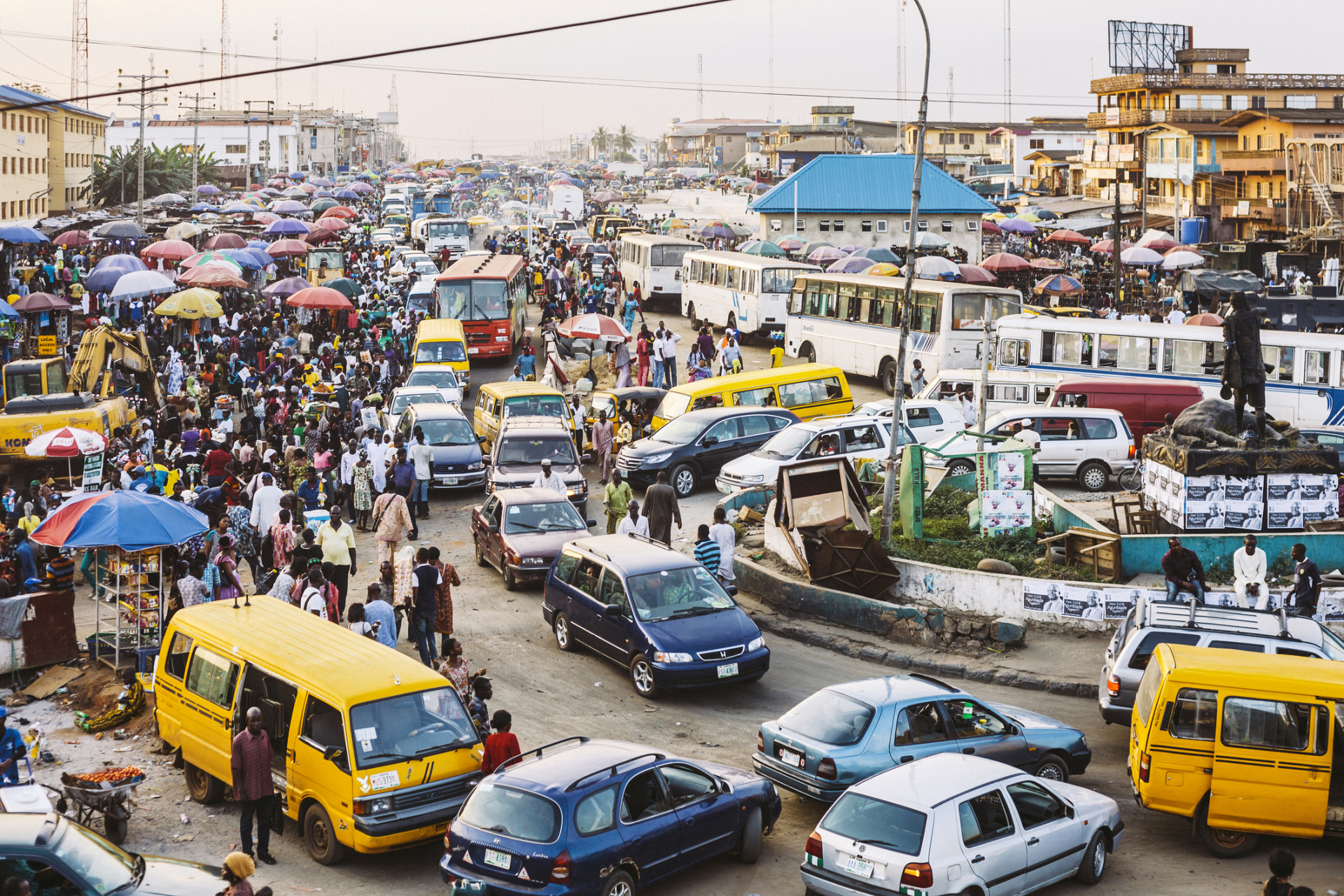
The world is undergoing an unprecedented population expansion. Within the span of a single lifetime, world population has more than doubled to 5.5 billion and even the most optimistic scenarios of lower birth rates lead to a peak of 7.8 billion people in the middle of the next century. In the last decade, food production from both land and sea declined relative to world population growth.
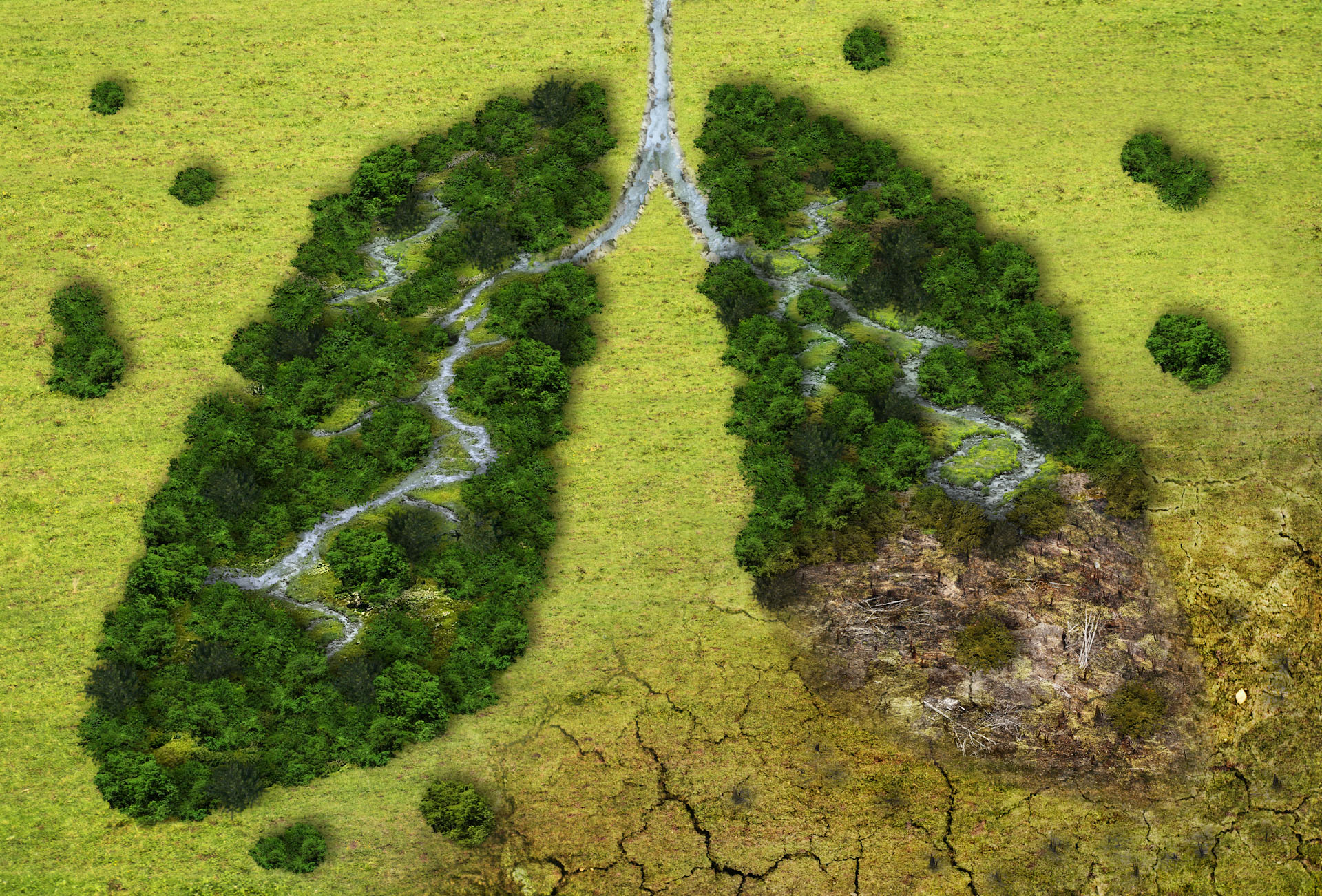
The relationships between human population, economic development and natural environment are complex and not fully understood. Nonetheless, there is no doubt that the threat to the ecosystem is linked to population size and resource use. Increasing greenhouse gas emissions, ozone depletion and acid rain, loss of biodiversity, deforestation and loss of topsoil, shortages of water, food and fuel indicate how the natural systems are being pushed ever closer to their limits.
The developed world, containing less than a quarter of the world population, accounts for 85% of the gross world production and the majority of the mineral and fossil-fuel consumption. Both rich and poor countries add to environmental damage through industrial activity, inappropriate agricultural practices, population concentration and inadequate and inattentive environmental concern. Yet development is a legitimate expectation of less developed and transitional countries.
The Solutions
Our common goal is the improvement of the quality of life for all, both now and for succeeding generations. By this we mean social, economic and personal well-being while preserving fundamental human rights and the ability to live harmoniously in a protected environment. To deal with the social, economic and environmental problems, we must achieve zero population grown within the lifetime of our children.
These goals are achievable given time, political will, intelligent use of science and technology, and human ingenuity. But only if appropriate policy decisions are taken now to bring about the requisite social change.
How do we go about this task ?
We need:
Natural and social scientists, engineers and health professionals have their part to play in developing better understanding of the problems, options and solutions, especially regarding:
Signatories ...
Academy of Sciences of Albania
Australian Academy of Science
Austrian Academy of Sciences
Bangladesh Academy of Sciences
Academy of Sciences of Belarus
National Academy of Sciences of Bolivia
Brazilian Academy of Sciences
Bulgarian Academy of Sciences
Royal Society of Canada
Caribbean Academy of Sciences
Chinese Academy of Sciences
Columbian Academy of Exact, Physical, and Natural Sciences
Croatian Academy of Sciences and Arts
Cuban Academy of Sciences
Academy of Sciences of the Czech Republic
Royal Danish Academy of Sciences and Letters
Academy of Scientific Research and Technology, Egypt
Estonian Academy of Sciences
Federation of Asian Scientific Academies and Societies
Delegation of the Finnish Academies of Science and Letters
French Academy of Sciences
Conference of the German Academies of Sciences
Ghana Academy of Arts and Sciences
Academy of Athens. Greece
Hungarian Academy of Sciences
Indian National Science Academy
Iranian Academy of Sciences
Israel Academy of Sciences and Humanities
Royal Scientific Society, Jordan
Kazakhstan National Academy of Sciences
Kenya National Academy of Sciences
National Academy of Sciences, Republic of Korea
Latvian Academy of Sciences
Lithuanian Academy of Sciences
Macedonian Academy of Sciences and Arts
Malaysian Scientific Association
National Academy of Sciences, Mexico
Academy of Sciences of Moldova
Mongolian Academy of Sciences
Academy of the Kingdom of Morocco
Royal Nepal Academy of Science and Technology
Royal Netherlands Academy of Arts and Sciences
Nigerian Academy of Science
Norwegian Academy of Science and Letters
Pakistan Academy of Sciences
National Academy of Science and Technology, Philippines
Polish Academy of Sciences
Romanian Academy of Sciences
Russian Academy of Sciences
Slovenian Academy of Sciences and Arts
Royal Swedish Academy of Sciences
Conference of the Swiss Scientific Academies
Third World Academy of Sciences
Uganda National Academy of Science and Technology
Ukrainian Academy of Sciences
Royal Society of London
National Academy of Sciences of the United States of America
National Academy of Physics, Mathematics, and Natural Sciences of Venezuela
“The Family Group” sculpture reproduced on the printed version of this publication is by the kind permission of the Henry Moore Foundation.
© Henry Moore Foundation 1947